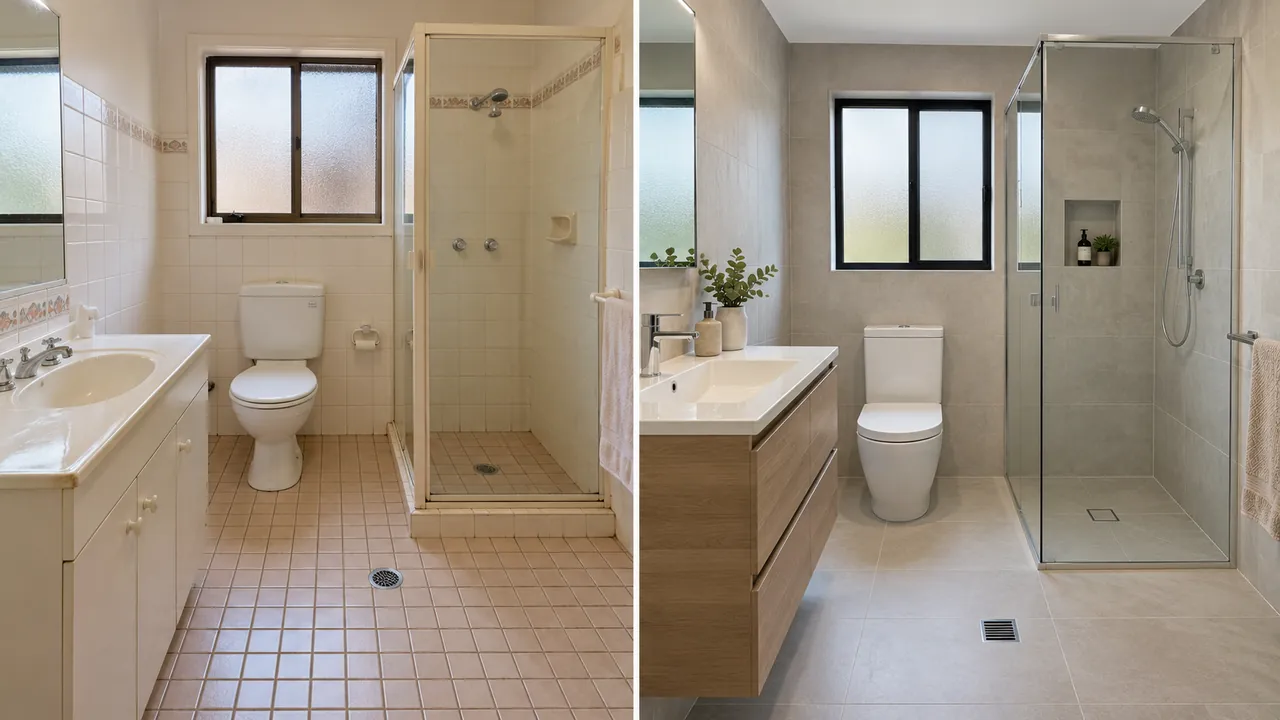

Bathroom waterproofing before tiling is one of the most important stages of a bathroom renovation because much of the work becomes hidden once the tiles are installed. A tiled shower might look beautifully finished, but its appearance alone cannot tell you whether the layers underneath have been prepared and waterproofed appropriately.
Waterproofing is intended to manage water in wet areas and protect parts of the building from unwanted moisture. The exact system, preparation and checks depend on the bathroom's construction, the products being used and the requirements that apply to the project.
If you're renovating a bathroom in Melbourne or Geelong, you don't need to know how to install a membrane yourself. You do need to understand what happens before tiling, who is responsible for it and what questions to ask before the work is covered up.
Why does bathroom waterproofing happen before tiling?
Tiles and grout form the visible finish of a bathroom. They are not, by themselves, a complete waterproofing system.
Water can reach joints, junctions and other parts of a wet area during normal use. An appropriately designed and installed waterproofing system helps manage that moisture where required by the bathroom's construction and applicable requirements.
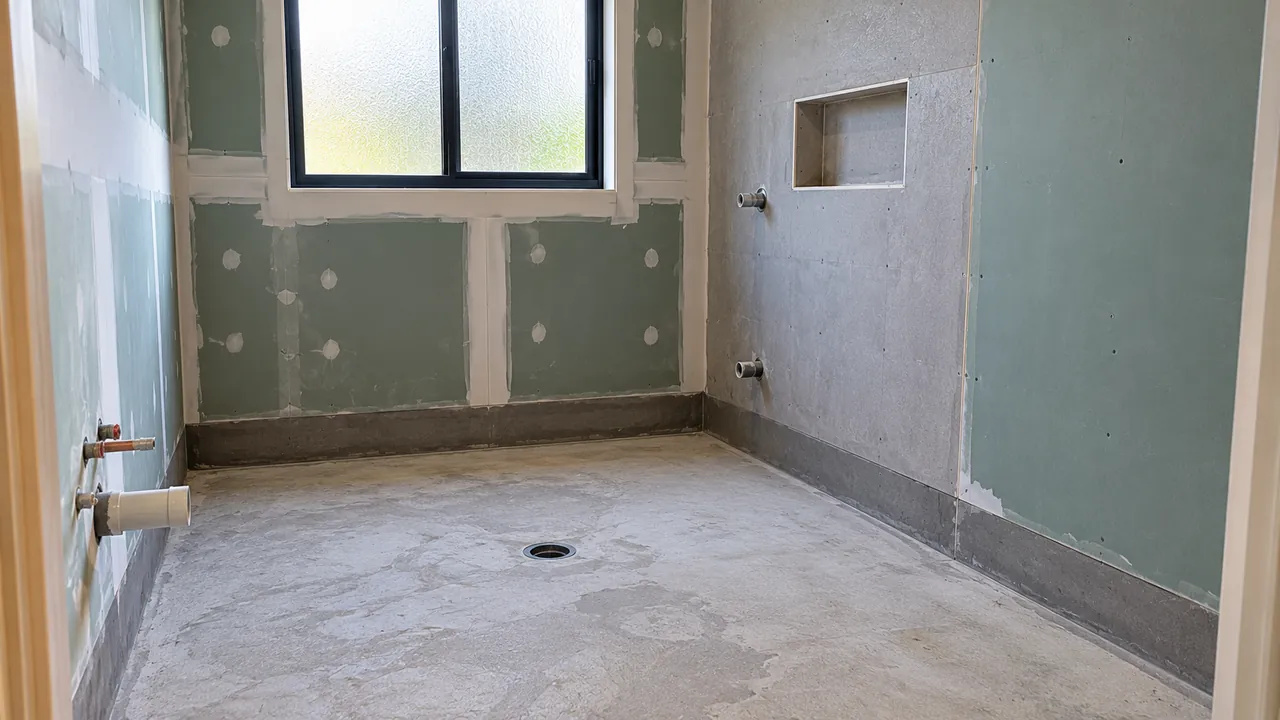
In many tiled wet-area systems, the waterproofing membrane sits beneath the finished tiles. Once tiling begins, inspecting or correcting concealed details may involve removing finished work. That makes preparation, installation and any required checks before tiling especially important.
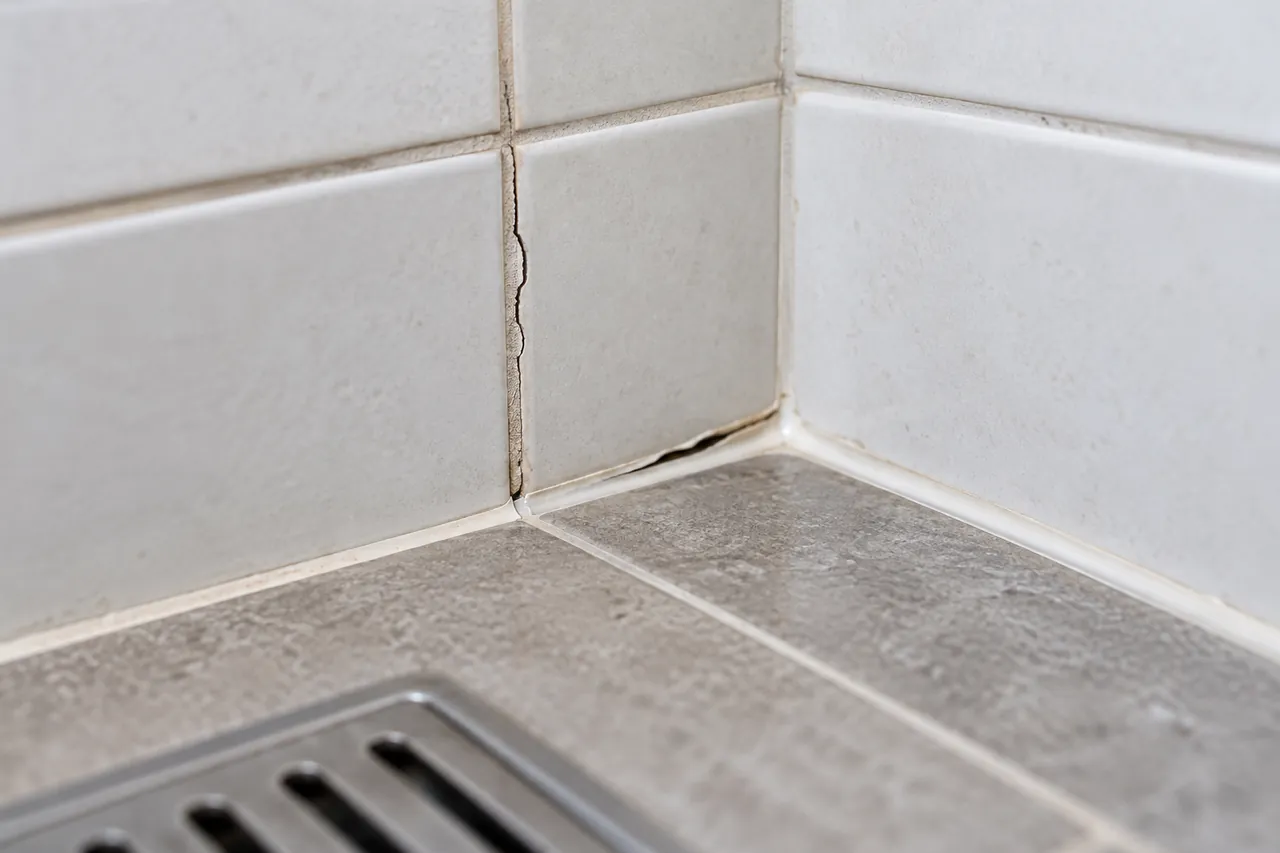
A cracked grout line does not automatically mean the membrane has failed. Equally, neat-looking tiles and grout do not prove that the waterproofing underneath was installed correctly.
The bathroom waterproofing process: from preparation to tiles
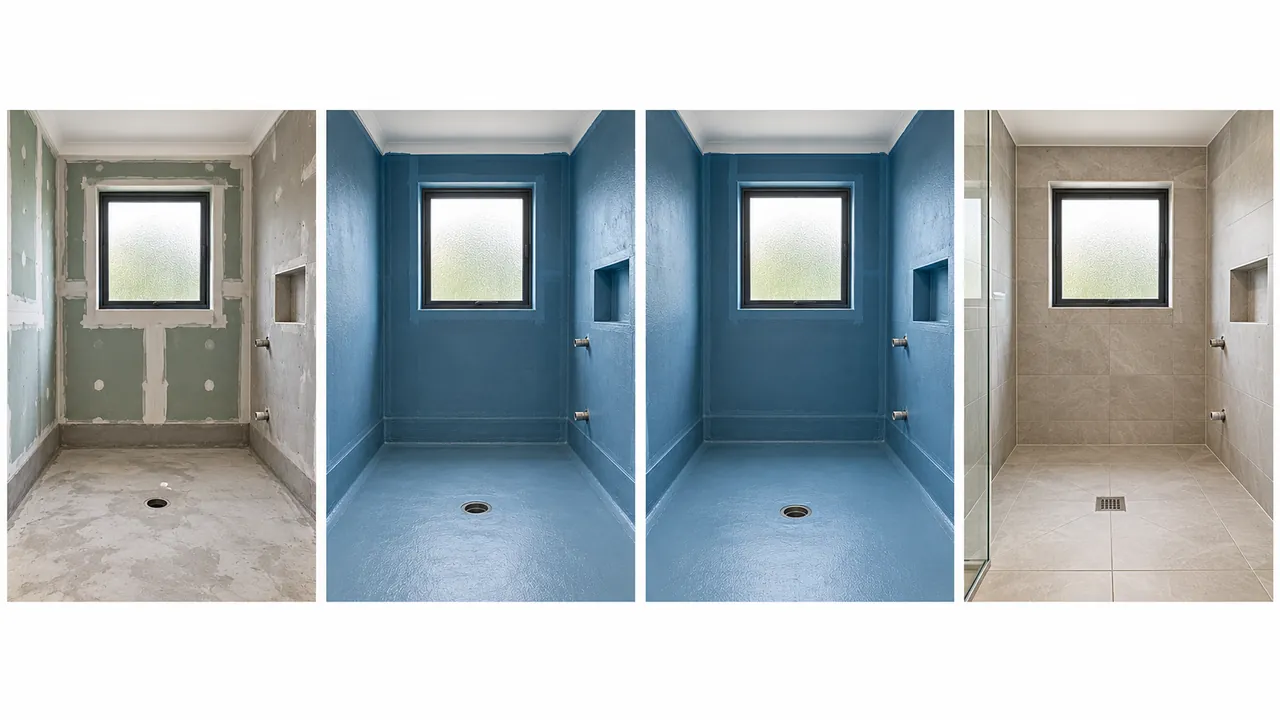
The sequence below is a general explanation, not an installation specification. The actual steps can vary with the substrate, chosen waterproofing system, wet-area design and applicable project requirements.
1. Assess and prepare the surfaces
Before waterproofing, the relevant walls, floors and other surfaces need to be suitable for the system being installed.
Depending on the project, preparation may involve addressing damaged materials, checking the condition of the substrate, dealing with uneven or unsuitable surfaces and ensuring the surfaces meet the waterproofing product's requirements.
The substrate is the material beneath the waterproofing or tiled finish. If that underlying surface is unstable or unsuitable, applying a membrane over it may not resolve the problem.
What to ask: “Have the surfaces been checked and prepared for the selected waterproofing system?”
2. Consider drainage and floor falls
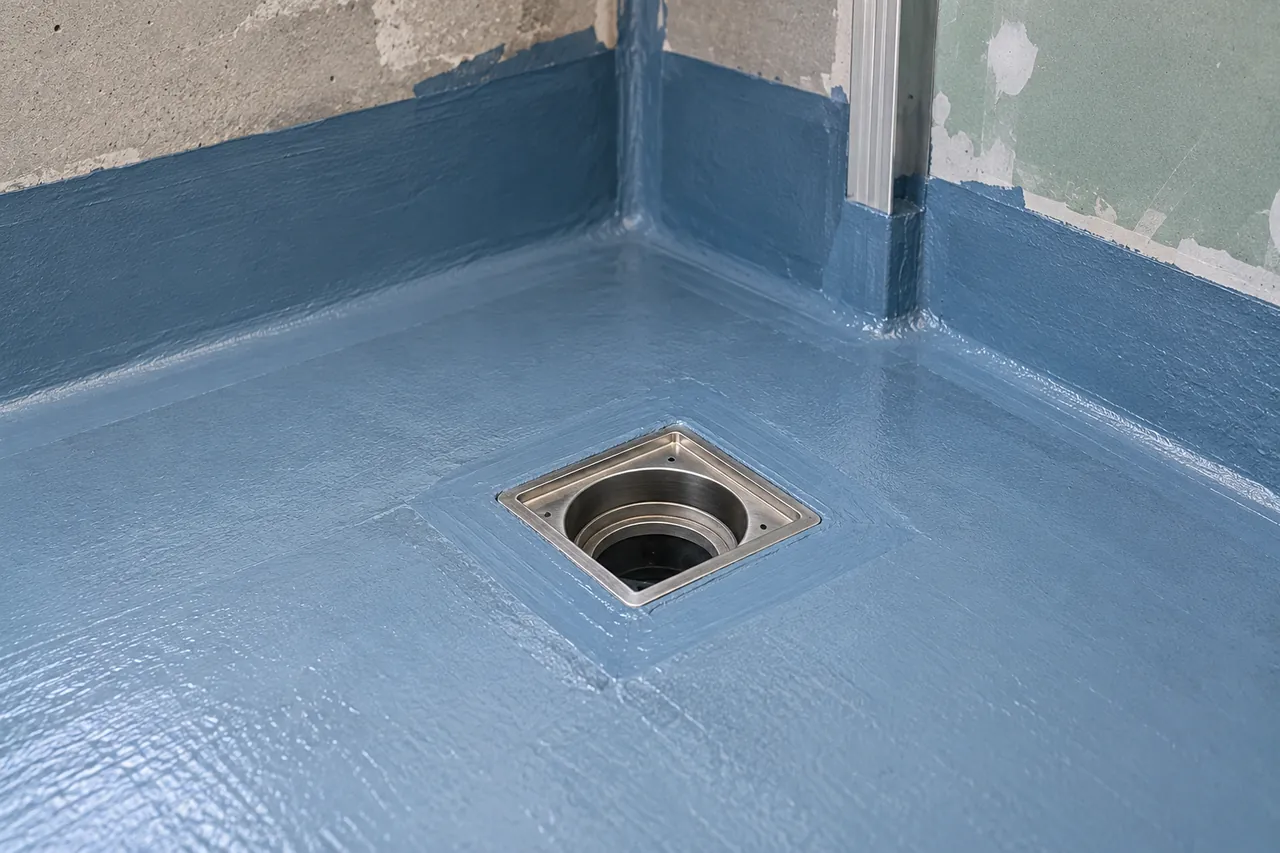
A bathroom needs to manage water at the surface as well as within its construction. In relevant areas, the floor design and falls help direct water towards the intended waste or drain.
The requirements depend on the wet-area layout and applicable rules. A waterproofing membrane is not a substitute for addressing a drainage or floor-fall problem.
What to ask: “Has the drainage arrangement been considered as part of the waterproofing and tiling plan?”
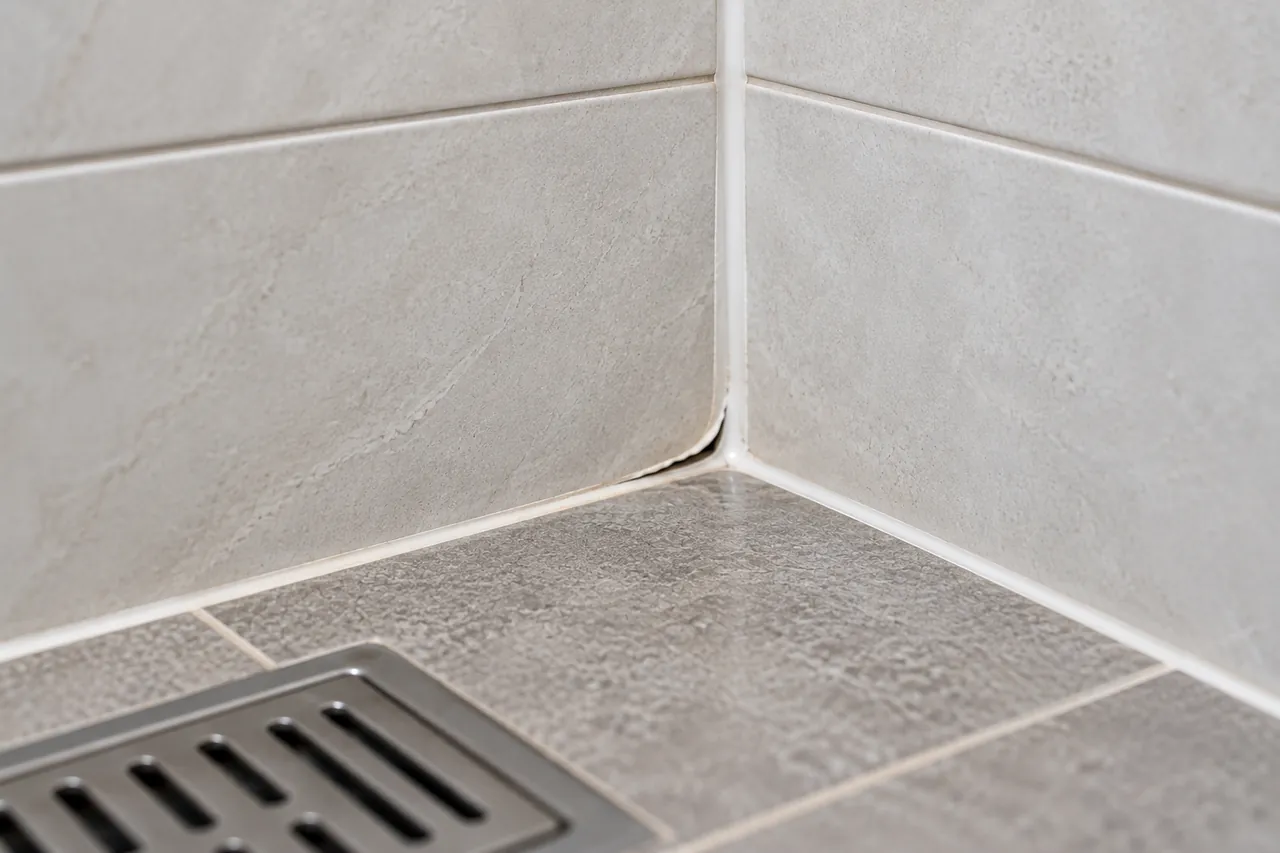
3. Address junctions, corners and penetrations
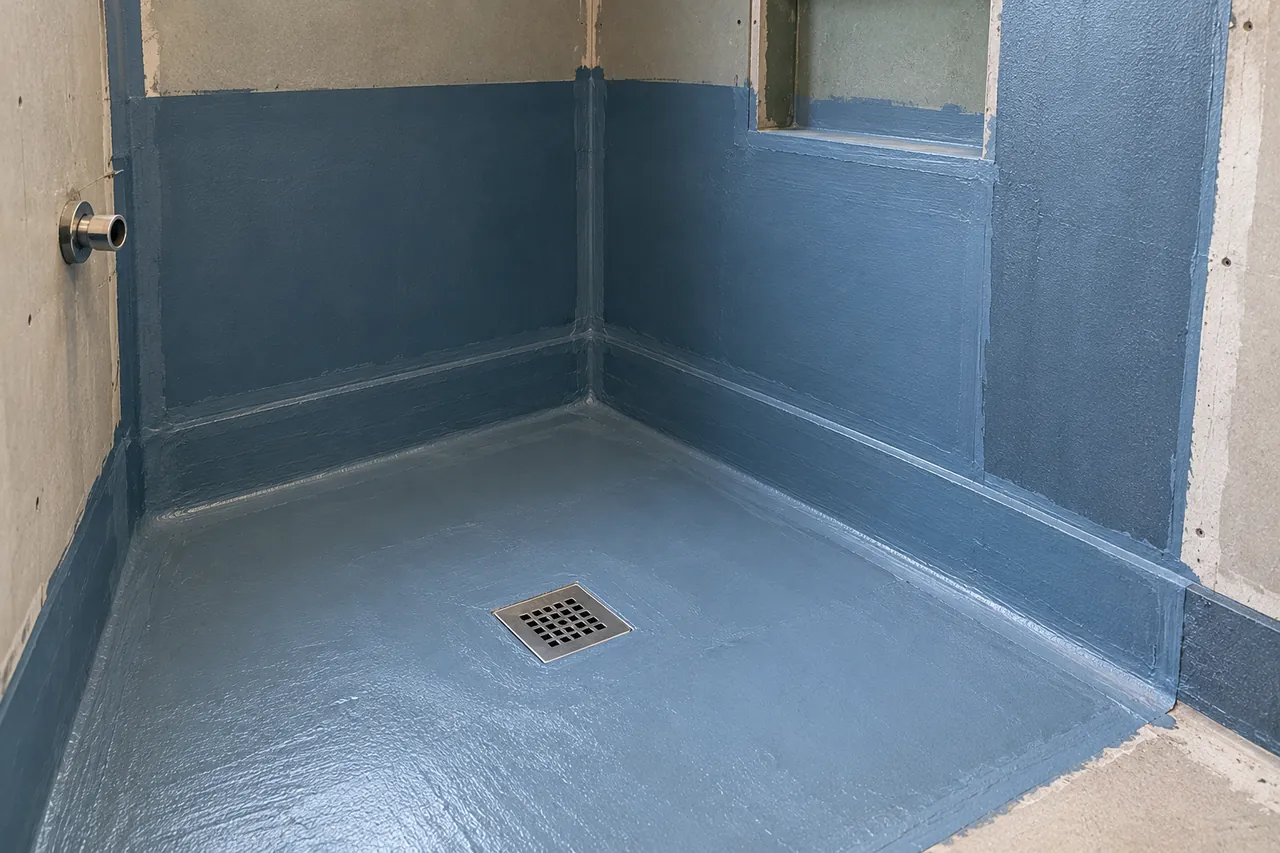
Some of the most important details are also the easiest to overlook in photographs of a finished bathroom.
These can include:
- Where the floor meets the wall.
- Internal corners and changes in surface direction.
- Shower areas and screen-related junctions.
- Floor wastes and plumbing penetrations.
- Doorways, thresholds and other transitions, where relevant.
Depending on the system, these areas may require particular preparation or compatible detailing materials. A bond breaker, for example, is a component used in some systems to accommodate movement at specified junctions. Its use and installation must follow the applicable system design and requirements.
What to ask: “How are corners, penetrations and the floor waste being addressed in the chosen system?”
4. Install the specified waterproofing system
A waterproofing membrane may be part of a larger system that includes preparation materials and details at junctions or penetrations. Products are not necessarily interchangeable.
The installer should follow the requirements relevant to the selected system, including substrate suitability, application conditions and any specified preparation or application stages.
It is not helpful to judge the quality of waterproofing only by the colour of the coating or how thick it looks in a photograph. Appearance alone does not confirm that the product has been installed to its requirements.
What to ask: “Which waterproofing system is specified for this bathroom, and who is responsible for its installation?”
5. Allow for the required drying, curing and checks
Waterproofing products can have different drying and curing requirements. Conditions such as temperature, humidity and the underlying surface can also affect when subsequent work may proceed.
There is no universal number of hours that can safely be applied to every membrane and every bathroom. Tiling should not start simply because a coating appears dry to the touch.
Any inspection, testing or documentation requirements also depend on the work, applicable rules and agreed scope. Ask the responsible contractor what needs to be completed before the waterproofing is covered.
What to ask: “What product requirements and applicable checks must be satisfied before tiling begins?”
6. Begin tiling when the system is ready
Once the waterproofing stage is ready for the next trade, the tiled finish can be installed using materials and methods compatible with the underlying system.
The waterproofing and tiling stages need to work together. That includes coordination over surface preparation, the intended tile finish, drainage details and protection of the waterproofing while other work proceeds.
What to ask: “Who confirms that the waterproofing stage is ready to be covered, and how is that decision recorded?”
What should homeowners check before the tiles go on?
You don't need to inspect or approve technical workmanship yourself. Instead, ask the people responsible for the renovation to explain the scope and provide the relevant information.
| Question to ask | Why it matters |
|---|---|
| What areas are included in the waterproofing scope? | “Bathroom waterproofing” can describe different work depending on the room and design. |
| Which product or system will be used? | Different systems have different preparation, compatibility and curing requirements. |
| Who is responsible for the work? | Responsibility should be clear across the renovation and relevant trades. |
| How will corners, junctions and penetrations be treated? | These details need attention within the specified system. |
| What must happen before tiling begins? | Required curing, checks and approvals should not be skipped. |
| What records will be available? | It helps to understand what documentation applies and what the agreed scope provides. |
| How are unexpected substrate issues handled? | Concealed damage or unsuitable surfaces can change the work required. |
Where appropriate and permitted, ask for dated photographs of the relevant stages before the membrane is concealed. Photographs can be useful records, but they do not replace any inspection, testing or formal documentation that is actually required.
How long does waterproofing need to cure before tiling?
There isn't one correct waiting period for every bathroom.
The time before tiling depends on the selected membrane or system, its product instructions, application conditions and the work being carried out. Some systems may have multiple stages with different timing requirements.
A reliable answer should come from the actual system specification and the person responsible for the work—not a generic claim that every bathroom can be tiled the following day.
For example, consider a hypothetical renovation where waterproofing is applied late in the week. If the product's requirements or site conditions mean it is not ready for tiling at the next planned visit, the schedule should accommodate that. Rushing ahead to meet a calendar date is not a substitute for meeting the relevant requirements.
What about AS 3740 and Victorian waterproofing requirements?
Homeowners researching AS 3740 bathroom waterproofing will come across references to the Australian Standard concerning waterproofing of domestic wet areas.
However, citing a standard's number is not the same as establishing which edition, provisions or related requirements apply to a particular renovation. In Victoria, the applicable building framework and the nature of the work also matter.
For wet area waterproofing Victoria, ask the contractor or appropriately qualified adviser to confirm:
- Which current requirements apply to the proposed work.
- Which waterproofing system is specified and why it is suitable.
- Whether any permits, inspections, testing or other formal steps apply to the project.
- Who is responsible for meeting those requirements and supplying any applicable records.
What waterproofing documentation should you ask for?
Questions about waterproofing documentation Victoria are best answered in the context of the actual project.
Depending on the agreed scope and applicable requirements, relevant information may include the product or system specification, dated photographs of concealed stages, records of checks, and any documents required for the work. The exact names and legal requirements should be confirmed rather than assumed.
A sensible request is:
“Before tiling covers the waterproofing, can you explain which checks and records apply to this renovation, who is responsible for them and what documentation I will receive?”
Avoid assuming that every job requires the same certificate or that a photograph alone proves compliance.
Who is responsible for waterproofing during a bathroom renovation?
That depends on how the renovation is organised and what each contractor has agreed to do. A project may involve different people responsible for preparation, waterproofing, tiling, plumbing and other work.
If multiple trades are involved, clarify who coordinates the sequence and who confirms that the waterproofing stage is ready before the next trade begins. These responsibilities should be understood before work starts, not after a problem appears.
When reviewing a bathroom renovation waterproofing quote, check that the waterproofing scope and any relevant trade responsibilities are written down. Do not assume that every bathroom renovation provider performs or coordinates every trade.
What if the bathroom has already been tiled?
You generally cannot confirm every concealed waterproofing detail simply by looking at finished tiles.
If the renovation is complete and you want reassurance, ask the contractor what records are available for the work. If you notice recurring dampness, loose tiles, damaged finishes or water stains outside the shower, arrange an appropriate assessment rather than attempting to remove tiles yourself.
Visible symptoms can have several causes, including plumbing, seals, drainage or waterproofing. For further reading, see how to recognise signs of a leaking shower and EverSeal's leaking shower repairs service.
Planning a bathroom renovation in Melbourne or Geelong?
Waterproofing should be considered as part of the renovation plan, not as an afterthought between demolition and tiling.
When discussing the project, ask how preparation, waterproofing, tiling and any other required trades fit together. The aim is a clearly defined scope, suitable materials, realistic sequencing and an understanding of who is responsible for each stage.
EverSeal's bathroom renovations service is the relevant starting point for discussing a planned bathroom renovation. Its waterproofing service may also be relevant to the proposed work. Confirm the services, responsibilities and applicable requirements for your particular project before accepting a quote.
Frequently asked questions
Do bathrooms need waterproofing before tiling?
Wet areas require appropriate water management, and waterproofing is an important part of many tiled bathroom systems. The exact areas, details and requirements depend on the bathroom's construction and applicable rules. Tiling should proceed only when the relevant preparation and waterproofing stages are ready.
Are tiles and grout waterproof?
Tiles and grout form a finished surface, but they should not be treated as a substitute for a properly designed and installed waterproofing system where one is required. A neat finish does not prove that the concealed waterproofing has been completed correctly.
Can waterproofing be applied over old tiles?
Some products and repair approaches may be designed for particular existing surfaces, but suitability cannot be assumed. The condition of the existing assembly, the cause of any moisture issue, product requirements and applicable rules must be assessed. A surface treatment is not a universal alternative to repairing failed waterproofing beneath tiles.
How long should waterproofing dry before tiling?
It depends on the product or system, site conditions and any required stages or checks. There is no reliable universal curing time. Ask for the requirements of the system actually being used.
Does a waterproofing inspection always have to happen before tiling?
Do not assume every bathroom project has the same formal inspection requirement. Applicable checks, approvals and documentation depend on the type of work and current requirements. Ask the responsible contractor or appropriately qualified adviser what applies to your renovation.
Should I ask for photographs of the waterproofing before tiles are installed?
Dated photographs can be useful because they record stages that will later be concealed. Ask whether they can be provided, but remember that photographs are supplementary records and do not establish compliance on their own.
What should I do if I suspect the waterproofing has failed?
Record the symptoms, avoid disturbing the tiled surface and arrange an assessment. Dampness, loose tiles or stains can have several causes, so the source should be identified before choosing a repair. If water is near electrical fittings or a ceiling is sagging, keep clear and seek urgent assistance.