
Sometimes, yes—but it depends on what is causing the leak and the condition of the shower. If the problem is limited to a failed silicone joint or another localised issue, a targeted repair may be possible without removing tiles. If water is getting through a damaged waterproofing system, tiles are loose, or the material beneath them has deteriorated, a surface-level fix may not solve the underlying problem.
It is understandable to want to avoid demolition, dust, expense and losing access to the bathroom. The best way to avoid unnecessary work is not to assume that every leak needs a full rebuild—or that every leak can be fixed from the surface. First, establish the likely source and choose a repair that matches it.
When can a leaking shower be repaired without removing tiles?
A repair without tile removal may be worth considering when the issue is localised and the surrounding shower is otherwise in sound condition. Examples can include:
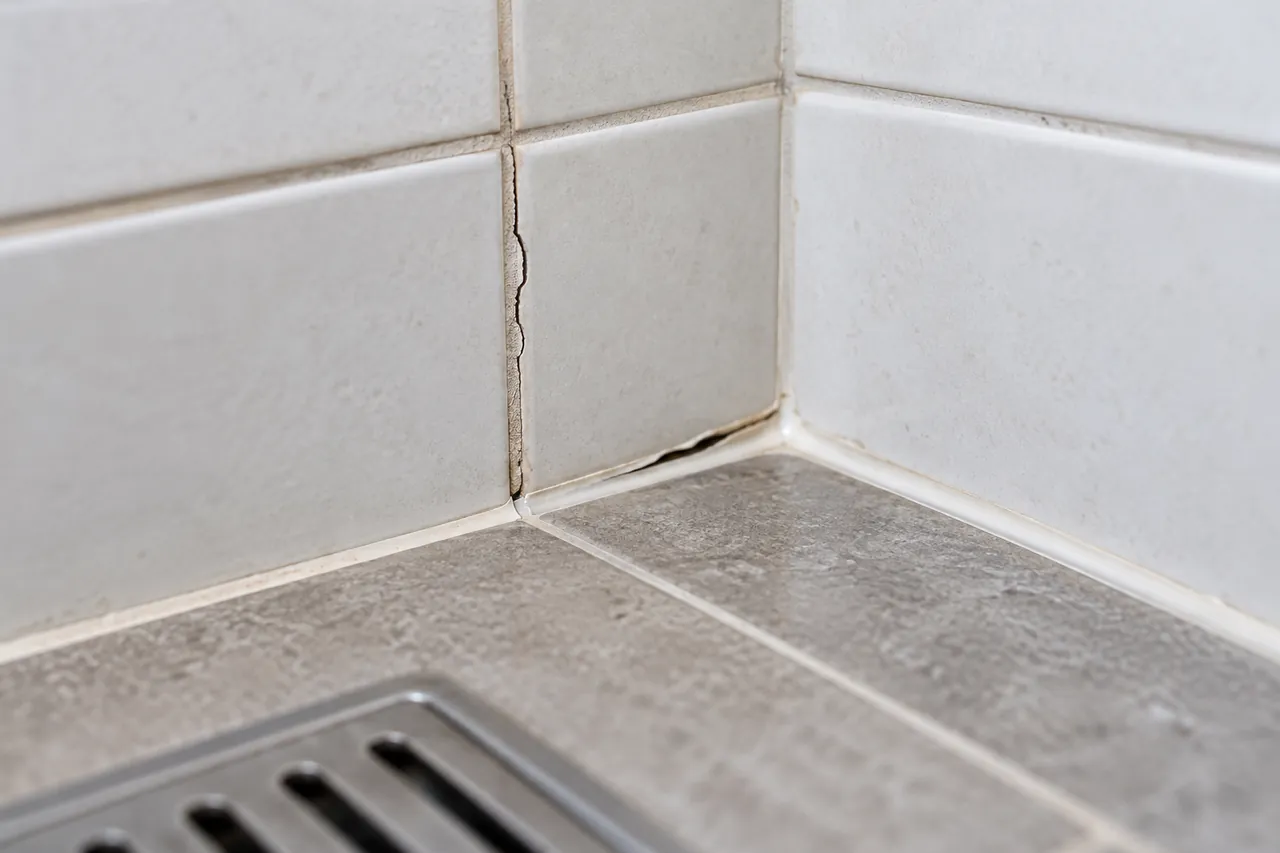
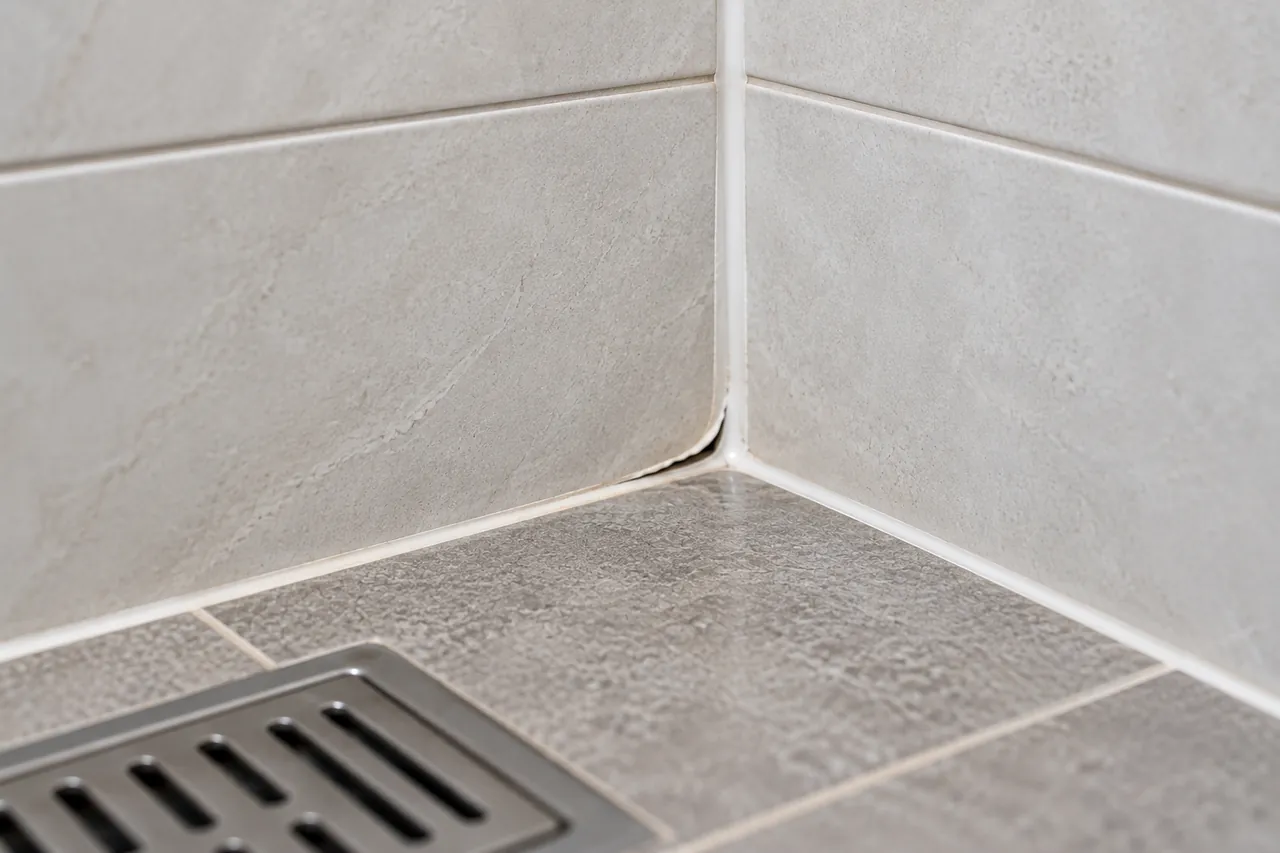
- A failed silicone joint: sealant has split, lifted or pulled away from a joint and the issue is limited to that seal.
- Localised grout deterioration: damaged grout needs attention, provided the leak is not being caused by a deeper problem.
- A shower-screen or water-containment issue: water is escaping around a screen or joint rather than from a concealed failure in the shower assembly.
- A plumbing issue that can be accessed and repaired separately: some plumbing faults may be repairable without removing the shower tiles, depending on where the pipe or connection is located.
These are possibilities, not a diagnosis. Even a visible gap in silicone or grout may be only one part of the problem. A professional should consider the other symptoms and the condition of the shower before recommending a repair.
If the issue appears to be limited to a seal, silicone sealing may be relevant. If grout is worn or damaged, shower regrouting may also be worth discussing. Neither service should be treated as a universal fix for every leak.
When might tile removal be necessary?
Tile removal may be needed when the source of the leak cannot be properly addressed from the surface. This can happen if the waterproofing system has failed, the substrate is damaged, or tiles have become loose because of a problem beneath them.
1. The waterproofing membrane may have failed
The waterproofing membrane is the layer designed to help prevent water from passing into the building structure. It sits beneath the finished tiled surface. Grout and silicone are important parts of the shower's finish and water management, but they are not a substitute for the waterproofing membrane.
If the membrane is damaged or no longer performing as intended, applying new grout or silicone over the surface may not correct the underlying issue. Depending on the construction and extent of the problem, more extensive work—including removal of some tiles or rebuilding part of the shower—may be required.
The phrase shower waterproofing membrane failure describes one possible cause of a leak, not something that can be confirmed from a stain or cracked grout alone.
2. Tiles are loose, lifting or moving
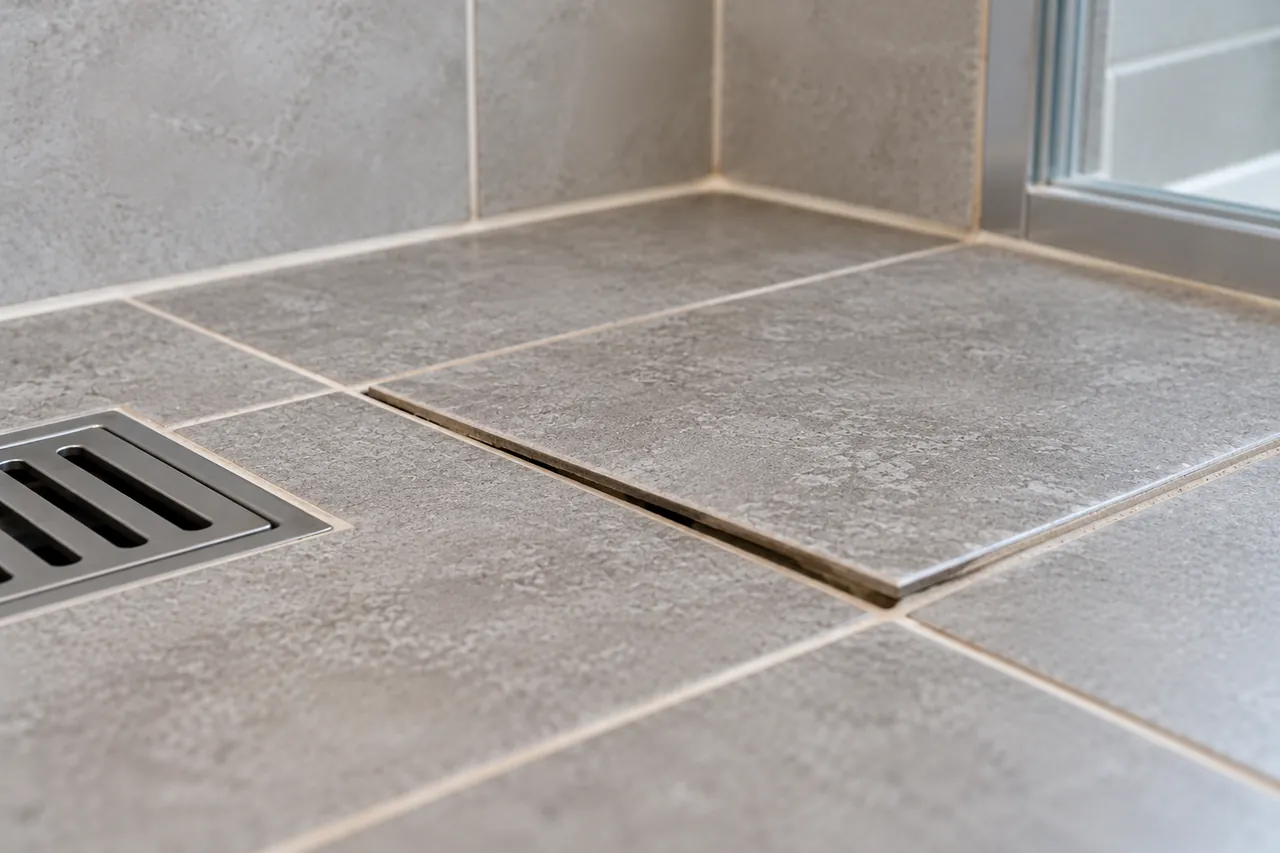
Loose or lifting tiles can point to a problem with the tile bond or the material beneath the tiles. Moisture may be involved, but movement, installation issues or other causes can produce similar symptoms.
If tiles are no longer securely bonded, simply resealing the visible joints may leave the underlying issue unresolved. The extent of any removal should depend on the condition of the area and the repair plan—not an automatic assumption that the entire bathroom must be stripped.
3. There are signs of damage beyond the shower
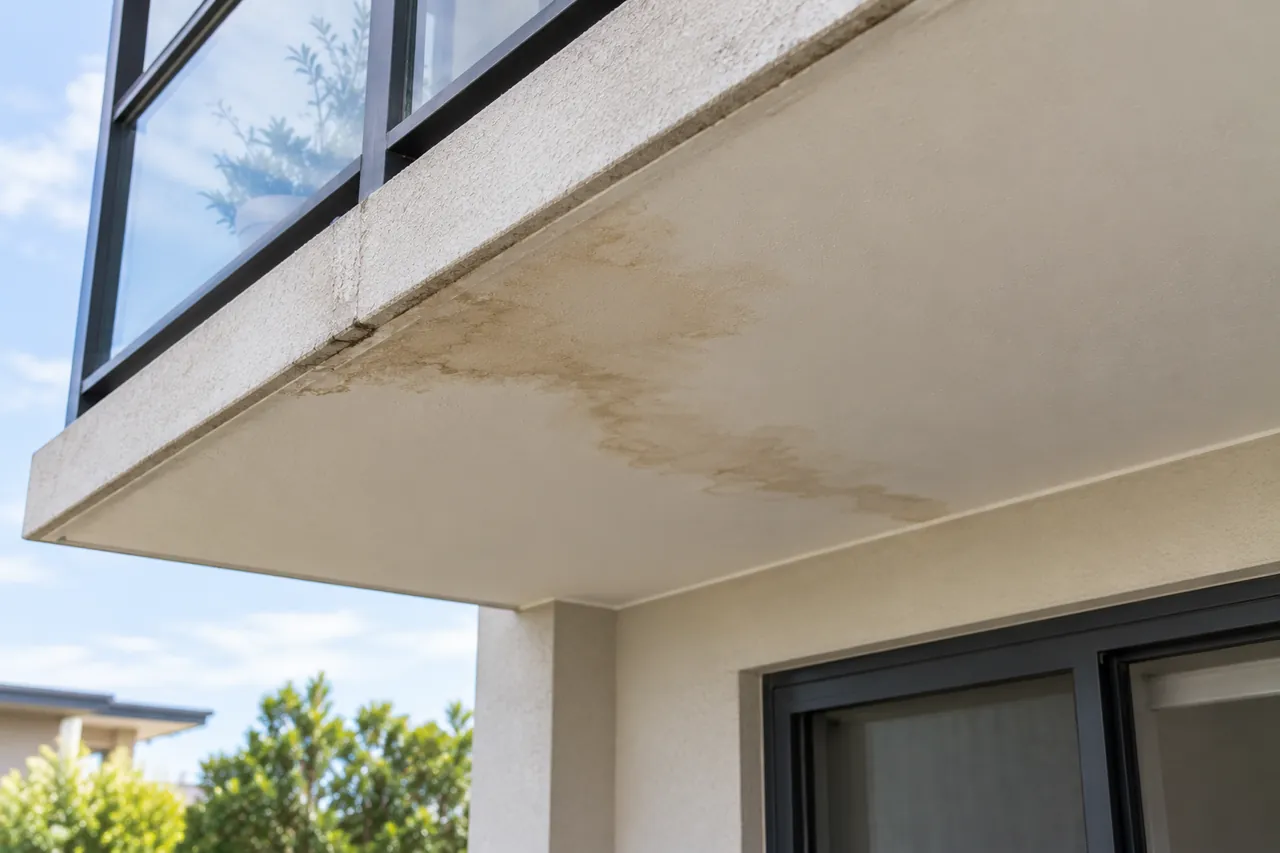
Persistent dampness, bubbling paint, a musty smell, damaged plaster or a stain on the ceiling below can indicate moisture has travelled beyond the tiled surface. These signs do not prove the membrane has failed, because plumbing leaks and other sources can cause similar damage.
Where the source is concealed or the surrounding materials appear damaged, a more involved investigation may be needed before deciding whether tile removal is necessary.
4. Previous surface repairs have not solved the problem
If a shower continues to leak after grout or silicone has been replaced, it is worth reconsidering the original diagnosis. Repeating the same surface repair may not help if the cause is a plumbing fault or a deeper waterproofing problem.
Tell the contractor what work has already been done and whether the symptoms changed afterwards. This history can help guide the next assessment.
Shower regrouting vs retile: what is the difference?
Regrouting and retiling are different scopes of work. Regrouting addresses the grout between existing tiles. Retiling involves removing and replacing tiles in the relevant area, and may form part of a larger repair where the layers beneath the tiles also need attention.
| Repair option | What it may address | What it will not automatically fix |
|---|---|---|
| Replacing deteriorated grout | Worn, cracked or missing grout where regrouting is appropriate | A failed waterproofing membrane or an unrelated plumbing leak |
| Replacing failed silicone | Split, lifted or deteriorated sealant at a suitable joint | A leak originating elsewhere or a deeper membrane problem |
| Repairing a shower-screen or water-containment issue | Water escaping around the screen or a localised joint, depending on the cause | Concealed water ingress from another part of the shower |
| Localised tile removal and repair | A confirmed localised problem that requires access beneath the tiles | Problems beyond the area included in the agreed repair scope |
| More extensive shower repair or rebuild | More widespread damage or a waterproofing issue that cannot be resolved by surface work | Any separate fault outside the assessed and agreed scope |
The right option depends on the cause, the shower's construction and the condition of the affected area. A quote should make clear what the proposed work covers and what remains outside its scope.
What affects the right repair choice?
Before deciding whether a shower can be repaired without removing tiles, consider these factors:
- The likely source: Is the problem related to silicone, grout, the shower screen, plumbing, the waterproofing system or something else?
- The condition of the tiles: Are they firmly in place, or are any loose, lifting or moving?
- The extent of visible damage: Is the issue confined to one joint, or are there damp patches and damaged finishes beyond the shower?
- Previous repairs: Has the shower already been resealed or regrouted? Did the symptoms return?
- Access to the source: Can the suspected fault be reached without disturbing the tiled area?
- The proposed repair's limitations: What will the work address, and what would require a different scope if discovered?
A careful assessment does not guarantee that tile removal can be avoided. It helps make the decision more informed and reduces the risk of paying for a repair that does not address the actual cause.
What to ask before accepting a shower repair quote
If you are comparing shower leak repair options, ask each contractor to explain the reasoning behind the proposed work. Two quotes can differ because they may cover different problems or different levels of repair.
Useful questions include:
- What do you believe is the likely source of the leak, and what evidence supports that view?
- Is the proposed work a surface repair, a localised repair or a more extensive rebuild?
- Why do you believe tile removal is or is not necessary?
- What exactly is included in the quote, and what is excluded?
- If the problem appears to extend beneath the tiles once work begins, how will the additional scope and cost be discussed?
- What outcome is the repair intended to achieve, and what limitations should I understand?
- Will I receive the agreed scope in writing?
Be cautious of a blanket promise that every leak can be fixed without removing tiles, just as you should question a recommendation for extensive demolition without a clear explanation. The diagnosis and proposed scope should make sense together.
A practical example: two showers, two different repair paths
Consider these hypothetical situations. They illustrate why the same repair is not suitable for every shower; they are not diagnoses of any particular property.
Example A: a localised seal problem. The tiles appear secure, there is no obvious damage beyond the shower, and a section of silicone has separated from the joint. If an assessment confirms that the issue is limited to the seal, replacing it correctly may be a reasonable option without removing tiles.
Example B: signs of a deeper problem. Several tiles are lifting, damp staining is appearing outside the shower, and a previous resealing job did not resolve the symptoms. In this situation, simply replacing the silicone again may not address the cause. Further assessment may show that access beneath the tiles or more extensive work is required.
The visible symptoms are clues, not proof. The appropriate repair should follow the assessment.
What to do if your shower is leaking now
If you suspect a leak, avoid adding extra water to test it. Instead:
- Note when the symptoms appear and whether they change after shower use.
- Photograph damaged grout, separated silicone, loose tiles or stains outside the shower.
- Keep a record of any previous repairs and whether they helped.
- If water is actively escaping or damage is spreading, stop using the shower and seek prompt advice.
- If water is near electrical fittings, or a ceiling is sagging or bulging, keep clear of the affected area and treat it as urgent.
- Arrange an assessment before committing to a surface repair or a larger rebuild.
For a suspected leak, start with EverSeal's leaking shower repairs service. If the issue appears to involve a broader wet-area problem, waterproofing services may also be relevant. The right scope should be determined after considering the likely source and condition of the shower.
Frequently asked questions
Can you fix a leaking shower without removing the tiles?
Sometimes. A localised seal, screen or other accessible issue may be repairable without tile removal. If the waterproofing system has failed or the materials beneath the tiles are damaged, more extensive work may be necessary. The cause needs to be assessed first.
Does regrouting stop a shower leak?
It can address deteriorated grout where that is the appropriate repair, but it will not fix every leak. Grout is not the waterproofing membrane. If water is escaping through a plumbing fault or a damaged waterproofing system, regrouting alone is unlikely to address the underlying cause.
Will new silicone fix a leaking shower?
New silicone may help when the problem is a failed seal at a suitable joint. It will not repair a plumbing leak or a failed waterproofing membrane elsewhere. The joint should be assessed and prepared properly rather than simply covered with another layer of sealant.
How do I know if the waterproofing membrane has failed?
Symptoms such as recurring dampness, water stains or loose tiles can raise concern, but they do not confirm membrane failure on their own. Plumbing faults and other issues can produce similar signs. A suitable assessment is needed to determine the likely source and appropriate repair.
Does fixing a leaking shower always require a full bathroom renovation?
No. The required scope varies. Some problems may be addressed locally, while others need tile removal or more extensive work. The condition of the shower and the source of the leak determine what is appropriate; a full bathroom renovation should not be assumed without a reason.
How do I compare leaking shower repair quotes in Melbourne or Geelong?
Compare the proposed scope, the reason for the recommended repair, inclusions and exclusions, how unexpected findings will be handled, and the intended outcome. A lower price may cover a narrower scope, so compare like with like rather than looking at the total alone.